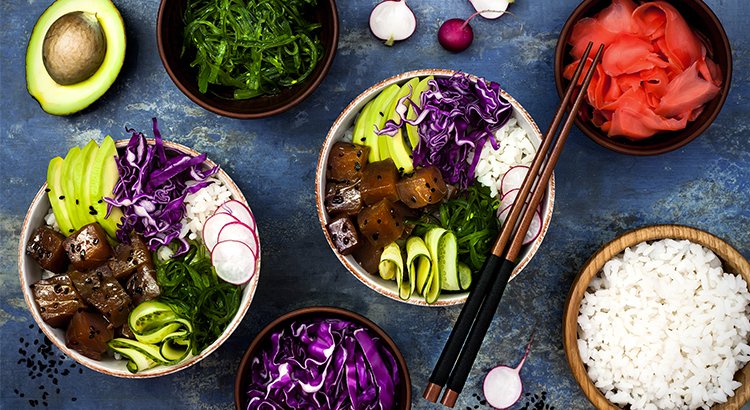
Food: More Than Fuel, It’s a Way of Life

Food is far more than something we eat to survive. It reflects culture, emotion, tradition, and health. From a simple homemade meal to a carefully curated restaurant dish, food shapes daily routines and long-term well-being. Understanding food beyond taste helps us make smarter choices for both body and mind.
The Role of Food in Everyday Life
Food plays multiple roles at once. It nourishes the body, brings people together, and often carries deep cultural meaning.
Physical nourishment
The primary function of food is to supply energy and essential nutrients. Proteins repair tissues, carbohydrates provide fuel, fats support brain function, and vitamins and minerals regulate countless bodily processes.
Emotional and social connection
Meals often mark celebrations, family gatherings, and comfort during difficult times. Sharing food creates social bonds and strengthens relationships across generations.
Understanding Food Groups
A balanced diet relies on variety. Each food group contributes something unique to overall health.
Major food categories
-
Fruits and vegetables – Rich in fiber, antioxidants, and vitamins
-
Grains – Provide energy, especially whole grains with complex carbohydrates
-
Proteins – Support muscle growth and immune function
-
Dairy or alternatives – Supply calcium and support bone health
-
Healthy fats – Aid brain function and hormone balance
No single food does everything. Balance comes from combining different groups consistently.
The Rise of Conscious Eating
Modern lifestyles have shifted how people view food. Many are now more intentional about what they eat and why.
Common food movements
-
Plant-based eating for environmental and health reasons
-
Organic and local foods to reduce chemical exposure and support farmers
-
Mindful eating, focusing on hunger cues rather than strict rules
These trends emphasize quality over quantity, encouraging a healthier relationship with food.
Home Cooking vs. Processed Foods
The way food is prepared matters just as much as what is eaten.
Benefits of home-cooked meals
-
Greater control over ingredients
-
Lower intake of excess sugar, salt, and preservatives
-
Better portion awareness
Highly processed foods, while convenient, often contain additives that may affect long-term health when consumed frequently.
Food and Long-Term Health
Diet patterns influence overall health more than occasional indulgences. Consistent choices shape energy levels, immunity, and disease risk.
Positive habits to focus on
-
Eating a variety of colorful foods
-
Staying hydrated throughout the day
-
Limiting ultra-processed snacks and sugary drinks
-
Paying attention to portion sizes
Food should support life, not complicate it. Sustainability and enjoyment matter as much as nutrition.
Conclusion
Food is deeply personal and universally shared at the same time. When approached with awareness and balance, it becomes a powerful tool for health, connection, and joy. Rather than chasing perfection, focusing on consistent, thoughtful choices leads to a healthier and more satisfying relationship with food.
Frequently Asked Questions (FAQ)
1. What is the simplest way to eat healthier without dieting?
Focus on adding more whole foods like fruits, vegetables, and whole grains rather than cutting foods out.
2. Are all fats bad for health?
No. Healthy fats from sources like nuts, seeds, and olive oil are essential for the body.
3. Is home-cooked food always healthier?
Generally yes, because you control ingredients, but balance and cooking methods still matter.
4. How important is meal timing compared to food quality?
Food quality matters more, though regular meal timing can support energy and digestion.
5. Can comfort foods be part of a healthy diet?
Yes. Enjoyed occasionally and mindfully, comfort foods support emotional well-being.
6. Do I need to avoid processed foods completely?
No. Limiting highly processed foods is beneficial, but occasional convenience foods are fine.
7. How can food choices impact mental health?
Balanced meals support stable blood sugar levels, which influence mood, focus, and stress levels.