
Segregation and Isolation Pods in Healthcare
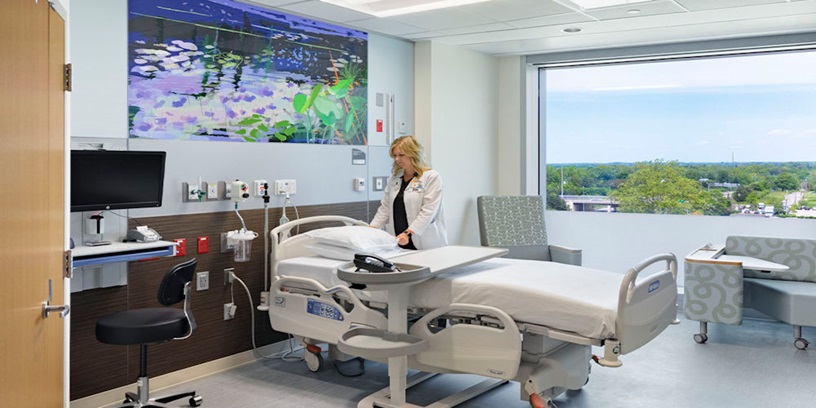
Segregation and isolation pods are no longer a niche innovation; they are rapidly becoming a core component of modern infection prevention and control across the NHS and wider UK healthcare system. In an era of frequent respiratory outbreaks, rising antimicrobial resistance, and ongoing pressure on hospital capacity, traditional ward layouts and side rooms alone are simply not enough.
Segregation and isolation pods provide a practical, scalable way to enhance patient safety, reduce cross-contamination, and prevent costly hospital-acquired infections. They help trusts meet stringent infection control expectations while maintaining patient flow, protecting staff, and supporting a more resilient healthcare infrastructure.
What Are Segregation and Isolation Pods in Healthcare? Definitions and Core Concepts
Segregation and isolation pods are purpose-designed clinical spaces that allow patients to be physically separated from others to reduce the risk of transmitting or acquiring infection. They can take the form of clinical isolation pods, patient segregation units, temporary isolation rooms, or mobile isolation units that can be deployed wherever they are needed most.
Some pods use negative pressure to contain airborne pathogens within the unit, preventing contaminated air from escaping into the wider clinical environment. Others use positive pressure to protect highly vulnerable patients, such as transplant recipients or those undergoing chemotherapy, from external sources of infection. These environments support airborne infection control and can be configured to meet contact and droplet precautions, depending on clinical need. In practice, they create a controlled, adaptable micro-environment around the patient, helping teams manage infection risks more effectively than with conventional open bays alone.
How Isolation Pods Improve Infection Prevention and Control (IPC) in Clinical Settings
Isolation pods function as a powerful infection control strategy, acting as a physical and engineering barrier that helps contain infectious diseases at source. By housing suspected or confirmed infectious patients in dedicated pods, healthcare teams can significantly reduce the spread of airborne and droplet pathogens across wards and departments. This reduces the incidence of hospital-acquired infections, supports more effective outbreak management, and minimises the need for large-scale ward closures.
They are particularly valuable during aerosol-generating procedures (AGPs), where the risk of airborne transmission is higher. During the Covid-19 pandemic, isolation pods enabled safer care pathways for suspected and confirmed cases, helping to separate them from other patients while still delivering timely treatment. The same principles apply to seasonal flu, TB and other respiratory infections: pods enhance airborne pathogen control, support compliance with IPC guidelines, and give clinicians greater confidence that they are working in a safer, better-controlled environment.
Key Benefits of Segregation and Isolation Pods for Patients, Staff, and Healthcare Organisations
For patients, segregation and isolation pods translate directly into enhanced safety and a lower risk of cross-infection. They can be used to protect vulnerable individuals, such as those who are immunocompromised, from exposure to infectious diseases, or to prevent infectious patients from transmitting illness to others. This supports better outcomes, fewer complications, and a more reassuring care experience.
For staff, pods provide an additional layer of protection and clarity. Defined entry and exit points, clear zoning, and better control of airflow and PPE use can improve staff confidence and reduce anxiety, especially during high-risk procedures or outbreaks. This can help lower sickness absence and maintain workforce resilience.
For healthcare organisations, segregation and isolation pods can transform operational performance. They support improved patient flow, reduce the likelihood and duration of ward closures, and enable efficient cohorting of patients with similar risk profiles. This can lead to shorter waiting times, better bed utilisation, and more predictable capacity management. In addition, visible investment in modern infection control measures brings reputational benefits, signalling to patients, families, regulators and commissioners that the organisation is serious about safety, quality, and resilience.
Design Features That Make Modern Isolation Pods Effective and User-Friendly
Modern modular healthcare pods are designed with both clinical effectiveness and day-to-day usability in mind. Transparent panels allow continuous visual observation, improving safety and reassurance without constant entry and exit. Infection-resistant, easy-clean surfaces and minimal clutter support robust cleaning and decontamination, reducing environmental contamination and turnaround times between patients.
HEPA filtration and negative pressure systems are often integrated to control the direction and quality of airflow, capturing airborne particles and preventing contaminated air from entering the wider clinical area. Pods can incorporate integrated monitoring and medical equipment, ensuring that staff can provide high-acuity care without compromising isolation. At the same time, they are designed to preserve patient dignity and privacy, with ergonomic layouts that allow staff to work efficiently, maintain good communication, and deliver care with compassion. Rapid installation and flexible configurations mean these pods can be deployed quickly and adapted as clinical needs evolve.
Types of Segregation and Isolation Pods: From Temporary Units to Permanent Solutions
Segregation and isolation solutions span a spectrum from rapidly deployable temporary units to fully integrated permanent facilities. Mobile isolation pods can be wheeled or relocated to where they are needed most, providing short-term isolation capacity in response to local outbreaks or surges. Modular ward pods and emergency surge capacity pods can be added to existing wards or created as standalone areas to expand isolation capability during winter pressures or pandemics.
At the higher-acuity end, ICU isolation units and single-patient isolation units are designed for critically ill or highly infectious patients, allowing intensive monitoring and interventions within a safe, controlled environment. Cohort pods allow groups of patients with the same infection or risk profile to be managed together. Temporary triage pods and isolation pods for A&E, community and primary care settings, as well as ambulance and pre-hospital pods, extend infection control beyond the inpatient ward, offering protection at every stage of the patient journey.
Where Isolation Pods Fit Within the NHS and UK Healthcare Pathway
Segregation and isolation pods have a role across virtually all parts of the UK healthcare pathway. In NHS and private hospitals, they enhance capacity for isolation in emergency departments, acute medical units, wards, and critical care. Urgent care centres and GP practices can use smaller pods or rooms for suspected infectious patients, reducing transmission risk in waiting areas and consultation rooms.
Care homes, community hospitals, and step-down facilities benefit from pods that allow safe management of residents with infections without resorting to whole-home lockdowns. Mental health units, paediatric wards, and maternity units can use pods to protect vulnerable populations while maintaining therapeutic environments and family involvement.
Throughout, these solutions can be aligned with NHS England guidance and UK infection control standards, ensuring that organisations not only meet regulatory expectations but move ahead of the curve in best practice.
Clinical Use Cases: Real-World Scenarios for Segregation and Isolation Pods in Healthcare
In day-to-day practice, pods provide a flexible tool for a wide range of clinical scenarios. During respiratory outbreaks, they can be used to separate symptomatic patients from others in emergency departments, assessment units, and wards. Suspected Covid-19 patients can be assessed and managed safely while test results are pending, avoiding the need to block off entire bays.
Pods are especially valuable for immunocompromised patients on oncology and haematology wards, as well as those attending dialysis units or awaiting or recovering from transplants, where any infection can have serious consequences. They support safe management of MRSA, C. difficile and other healthcare-associated infections by containing cases and enabling focused cleaning and decontamination. During winter pressures, pods allow safer cohorting and more flexible zoning of patients, contributing to pandemic preparedness and resilience for future infectious threats.
Operational Advantages: Capacity, Flexibility, and Rapid Response During Surges
From an operational perspective, segregation and isolation pods offer a powerful means of managing bed capacity and responding to surges. They support winter pressure planning by giving organisations a way to increase safe capacity without major structural works. Surge capacity pods can be deployed rapidly to create new isolation spaces, helping to maintain elective activity and avoid cancelling treatments during outbreaks.
Flexible ward configuration allows estates and clinical teams to reconfigure spaces quickly as demand shifts, moving from standard care to high-isolation layouts with minimal disruption. Pods support effective contingency planning and business continuity, enabling services to remain open and functional while maintaining safe zoning and clear red/green pathways that separate high-risk and low-risk patients. This agility is increasingly essential in a system that must respond quickly to emerging infections and variable demand.
Cost, Funding, and Return on Investment for Isolation Pods in UK Healthcare
While segregation and isolation pods represent an investment, they are a cost-effective infection control measure when viewed over the medium to long term. By reducing the number and severity of outbreaks, they help avoid the significant financial and operational impact of ward closures, cancelled procedures, and prolonged lengths of stay. Fewer hospital-acquired infections mean lower treatment costs, better outcomes, and improved use of existing resources.
Pods can be funded through a mix of capital and operational expenditure, and can often be procured via established NHS frameworks, simplifying the process. Because modular and mobile solutions are scalable, trusts can start with targeted deployments and expand as benefits are realised. Over time, the reduction in outbreak-related costs, improved throughput, and enhanced capacity can deliver a strong return on investment, aligning with value-based healthcare principles and supporting long-term financial sustainability.
Regulatory, Safety, and Compliance Considerations in the UK
Segregation and isolation pods help healthcare organisations meet and exceed UK regulatory and safety expectations. They can be designed to comply with NHS infection prevention standards, UK building and safety regulations, and relevant Health Technical Memoranda (HTM) and Health Building Notes (HBN). This alignment supports positive engagement with the Care Quality Commission (CQC) and demonstrates a proactive approach to patient safety and quality.
Pods also support Health and Safety Executive (HSE) requirements and occupational health objectives by reducing staff exposure to infectious agents. Effective deployment must be supported by appropriate staff training, PPE protocols, clinical governance, and risk assessment frameworks. When introduced thoughtfully, pods become an integral part of a robust safety culture, rather than a bolt-on solution.
Implementing Segregation and Isolation Pods: Practical Steps for Healthcare Leaders
Successful implementation begins with a clear needs assessment, examining current isolation capacity, infection risks, and service pressures. Stakeholder engagement is crucial, bringing together clinical teams, estates and facilities, infection prevention and control specialists, and operational leaders to shape the design and location of pods.
Procurement and tendering can then be aligned with organisational strategy and NHS frameworks, followed by an installation process that minimises disruption to services. Commissioning and validation ensure that pods perform as specified, including pressure tests and airflow verification where relevant. Comprehensive staff training and clear protocols are essential so that pods are used consistently and safely, supported by planned maintenance and regular review to sustain performance over time.
Addressing Common Concerns: Patient Experience, Stigma, and Staff Workflows
Concerns about patient experience and stigma are valid and must be addressed from the outset. Well-designed pods can actually enhance dignity and comfort by providing privacy, noise reduction, and a calmer environment. Transparent or partially transparent panels support communication through pod walls, allowing patients to see staff and feel less cut off, while technology such as intercoms and tablets can facilitate both clinical communication and virtual visiting with families.
Thoughtful design of visiting arrangements, lighting, and thermal comfort helps reduce feelings of isolation. For staff, workflows may need to be redesigned to optimise access, visibility, and efficiency, with clear guidance on when and how to use pods. Change management, staff engagement, and early involvement of frontline teams are critical to achieving staff acceptance and embedding pods as part of everyday practice. The objective is to balance uncompromising safety with genuinely compassionate care.
The Evolving Role of Segregation and Isolation Pods in Healthcare Design
Looking ahead, segregation and isolation pods are set to play a central role in post-pandemic healthcare design. Resilient hospitals and flexible modular facilities are now a strategic priority, and pods fit naturally into this vision. Digital integration, such as remote monitoring, smart sensors, and electronic bed management, will enable “smart pods” that support real-time decision-making and more efficient care.
There is also growing focus on sustainable materials, energy-efficient systems, and alignment with net zero estates ambitions. Future pods are likely to be lighter, more adaptable, and more environmentally responsible, without compromising infection control performance. As innovation continues, these solutions will move from being a reactive measure during crises to a standard, embedded feature of safe, modern healthcare environments.
Why Investing in Segregation and Isolation Pods in Healthcare Is No Longer Optional
Against a backdrop of persistent infection risks, rising public expectations, and tightening regulatory scrutiny, investment in segregation and isolation pods is no longer a luxury, it is becoming an operational necessity. They offer a clear route to protecting patients and staff, reducing outbreaks and associated costs, and building a more resilient NHS capable of withstanding future shocks.
For decision-makers, the case is compelling: pods improve safety, support compliance, enhance capacity, and demonstrate visible commitment to quality care. The next steps involve structured evaluation of current gaps, site visits to learn from existing deployments, and engagement with suppliers through recognised procurement routes. By acting now, healthcare leaders can future-proof their estates, safeguard their workforce, and offer patients safer, more reliable care in an increasingly challenging clinical landscape.