Finding Healthier Habits When Breaking Free From Nicotine
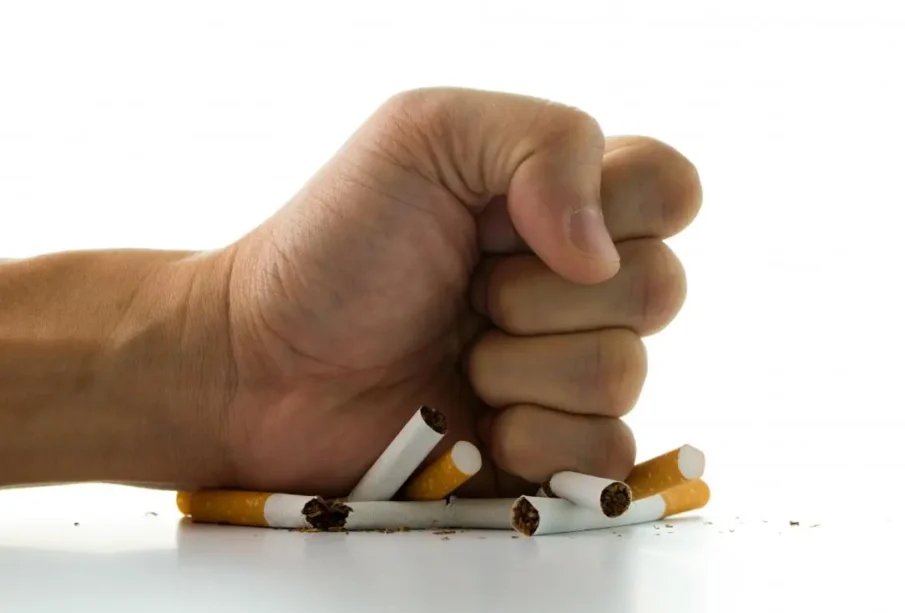
Breaking free from nicotine isn’t just a chemical battle. Anyone who has tried to quit smoking or vaping will tell you that the physical addiction is the least of their problems. It’s all the habits that go along with it that is the real hard part. The morning routine that includes cigarettes and coffee, the habitual smoke break at work, the social ritual of stepping outside with your buddies. These habits are ingrained and it is ignoring this fact that causes so many people to fail even when the physical cravings are mostly out of the way.
Why Habits Matter More Than Most People Realize
The physical withdrawal symptoms from nicotine usually peak within the first few days and then get less intense over the next couple of weeks. The behavioral withdrawal from nicotine though can last for months, even years. That is because smoking and vaping are more than just a way of getting a dose of nicotine into your system. They also represent a series of specific daily moments that become engrained habits.
A person may light up a cigarette every time they get in the car, or take a puff off the vape pen every time they get on a phone call. These actions can become so automatic that their hand starts reaching for a cigarette or pen before their brain is even aware that it is happening. Overcoming this habit is more than just will power. It involves conscious thought to replace it with something else.
The Replacement Strategy That Works
What behavioral research tells us about habits is that trying to simply stop a behavior creates a void that the brain keeps trying to fill. This is why most people fail at quitting habits like smoking or vaping with sheer will power alone. A better strategy is to replace the behavior with something else that fulfills a similar need.
For someone quitting nicotine, this may be finding a whole host of replacements that replicate different aspects of what smoking or vaping offered in their lives. There is the hand-to-mouth thing, the breathing pattern that may simulate an inhaler or rhythmic habit, and the brief pause in the action that gave the person a moment to collect their thoughts.
Physical Replacements That Can Help
Some people use nicotine-free vape liquids so they can still get the act of inhaling without all the damage. HealthVape’s Caffeine Vape offers a blast of caffeine through inhalation, allowing former smokers and vapers to retain that part of their ritual. This type of functional replacement helps people keep many aspects of the ritual without any trace of nicotine.
Other physical replacements can be anything that keeps someone’s mouth and hands busy: sugar-free gum, toothpicks, stress balls, drinking lots of water during the day. It doesn’t matter too much what exactly is replaced, as long as something fills the void during trigger moments.
Breathing Patterns Also Need Attention
One aspect of breaking free of nicotine use that isn’t often mentioned is loss of pattern breathing. Smoking and vaping both induce rhythmic inhalation patterns that have calming effects even with no nicotine in your system. The act itself involves controlling your breathing, inhaling deeply, holding it in for a moment, then letting it out. These exact same breath counts are used in traditional breathing exercises and patterns in yoga and meditation techniques.
People who quit smoking or vaping often feel like something still appears to be missing after craving for the substance are gone. This is where breathing patterns are having their lingering effect. This can be replaced with intentional breathing exercises or short meditative moments in order to bring this aspect back under conscious control.
Social Habitual Triggers Can Be Tough to Break
For many smokers and vapers, the social aspects of their habits form some of their strongest cues and rituals. Stepping outside for smoke breaks with coworkers, building rapport with clients over shared smoking sessions, having an excuse to step out of a tense situation – these social patterns may be more difficult to break than the habit itself.
Replacing these social habits requires a little creativity. Some people who are used to smoking at work start taking regular walking breaks instead, while others find different ways to connect with their smoker friends without joining in on the habit.
Also remember that nicotine often becomes associated with stress relief. Smokers have specific response rituals for all kinds of stressful situations: fights with a partner, bad days at work, difficult meetings. These stress-release habits can linger even after nicotine cravings have been controlled.
Create an Alternatives Toolkit
In order to quit easily during triggering situations, it’s important to have an alternatives toolkit ready well before anyone actually finds themselves faced with stressors known to cue smoking or vaping response patterns.
While there’s no one-size-fits-all method for replacing nicotine-based habits, most successful strategies involve identifying specific situations that cue their use, and replacing them mindfully with something that can take its place.
For someone who mostly smoked while working in front of a computer, plan what will replace your smoking habit during trigger moments like waiting for a page to load, while someone who vaped frequently may need other types of replacements planned in advance.
Expecting the first week or two to be difficult is natural because they are. However, challenges presented by habitual behavior associated with nicotine can make people vulnerable even months after they quit. Someone may be handling their craving well after six weeks only for an old habit response pattern to cycle back into action when they find themselves in a situation that used to regularly provoke smoking.
Breaking free from nicotine isn’t just about battling chemical cravings. It involves building up new behaviors and replacing old patterns that served all the same purposes as smoking or vaping did – only in healthier ways. Creating new responses takes time and often requires trial and error before someone finds what works for them in place of cigarettes or vapes. Understanding early on though that habitual behavior is associated as much with nicotine as chemical cravings are will help you through this process.