
What Your Digestive System Is Trying to Tell You
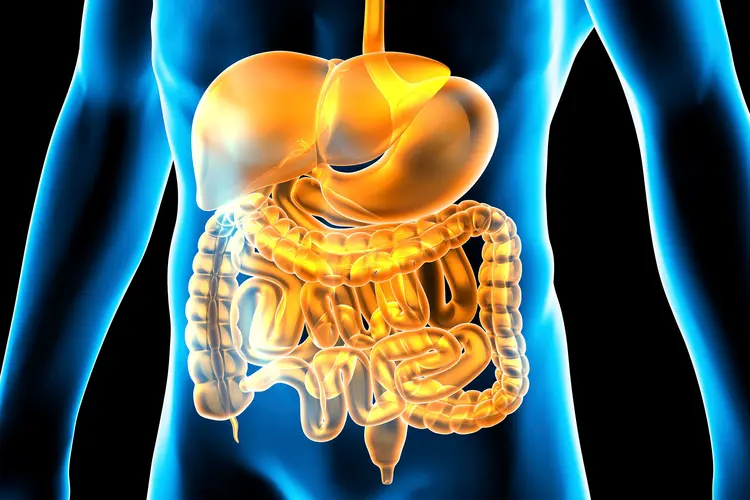
The human body is remarkably good at communicating. Long before something becomes a serious problem, there are usually signals worth paying attention to. The digestive system is one of the most vocal parts of the body, and learning to recognise what it is saying can make a genuine difference to long term health and quality of life.
Most people experience digestive discomfort at some point. A heavy meal, a bout of stress, a stomach bug that passes in a few days. These are normal parts of life. But the digestive system does more than just process food. It plays a role in immunity, mood, energy levels, and even skin health. So when something feels off and stays off, it is worth paying attention.
The Signs We Experience Most Days
Bloating after meals is probably one of the most commonplace complaints of the digestive system, and most people attribute it to eating too quickly or consuming the wrong foods. And sometimes, that’s exactly what it is. But chronic bloating, the type that occurs continually whether one has had a big meal or a snack or any meal at all, can indicate something more mechanical functioning within the system.
The same goes for bowel movements. Occasional changes in frequency or consistency are perfectly reasonable; travel and stress impact everyone’s bowels from time to time. But when such things become the exception instead of the norm, and increasingly common, it’s a signal that something either isn’t forming as normal or functioning in a new capacity and could use a doctor’s look.
When it comes to heartburn, this issue is all-too-often normalized as well. Many people rely upon antacids from the drug store for years, never considering investigating with a professional about what’s going on inside. Chronic acid reflux over time can change the lining of the esophagus, however, and assessing it correctly allows patients to understand what’s going on to better treat it instead of perpetually looking for band-aid solutions.
When Symptoms Become Serious
Then, there are signs that become less concerning and more validating over time. Digestive distress that comes and goes is one thing but digestive symptoms that occur in patterns or get worse over time warrant a genuine acknowledgment.
For example, unintentional weight loss associated with symptoms should always be evaluated as soon as possible, lest they worsen. Blood in the stool, a symptom that can be explained away by something simple, should nevertheless always be checked out professionally.
Unexplained reasons should never be complicated by stress; important symptoms like persistent nausea when eating, difficulty swallowing or early satiety are issues associated with the upper tract of digestion and should never be grinned through in hopes that they go away on their own.
Abdominal pain, too—when it’s recurrent or sudden and severe—should be evaluated professionally; certain pain patterns manifest throughout the abdomen like gallbladder issues versus inflammatory bowel disease. Confusion surrounding such matters is never better than certainty. For anyone unsure where to start, you can read more about what a specialist GI practice can offer and how to take that first step.
The Gut and the Rest of the Body
Here’s an important thing many people may not realize: digestion does not exist independently from other systems; the better the digestive system runs, the more positive effect there seems to be on various others in ways researchers are still working to understand better.
The intestines contain some of the largest components of our immune system; they create excess volumes of serotonin, which boosts mood and mental wellness; when someone has an excess amount of digestive problems it’s not uncommon for energy levels, focus and emotional wellbeing to go out the window as well because it’s not coincidental—the gut is vital for proper functioning across systems.
Further studies have confirmed findings between skin conditions, joints, fatigue and even sleeping problems; this does not mean that digestive health is responsible for every problem, but patients who treat their digestion well seem to benefit from more than just stomach comfort.
What You Can Do About It
To help best create hope down the line, one of the first things anyone can do is pay attention and make notes of patterns. It’s much easier to recall journaled signs than to stumble through specifics from memory during an appointment.
It’s also good to know that many digestive conditions are highly manageable once they’re found—irritable bowel syndrome, celiac disease, acid reflux, inflammatory bowel disease have all become fields of study with established treatments, so identifying a problem is not an immediately negative journey.
For those experiencing symptoms that last longer than two weeks, or symptoms that impede quality of life day-to-day, a gastroenterology professional is an effective move forward. These are specialists who solely focus on all things gastrointestinal and therefore have expertise beyond what a primary care doctor can offer for potentially extensive complications.
What To Take Away
When the digestive system has something to say, it’s not shy about saying it. Over time patterns emerge through symptoms and consistent problems that show average humans where to look next for effective support. The good news is that many treatments work well for patients when caught during preventative intervention stages or proper diagnosis stage so that symptoms don’t get worse over time.
When humans learn how to listen to what their bodies say instead of normalizing discomfort or hoping things resolve on their own without intervention, they’re better positioned with understanding their systems through getting the right support along the way—for meaning, successful gastrointestinal comfort for years to come.
The body is always speaking; it’s a matter of listening.