Increase Your Self-Confidence with the Right Plastic Surgery
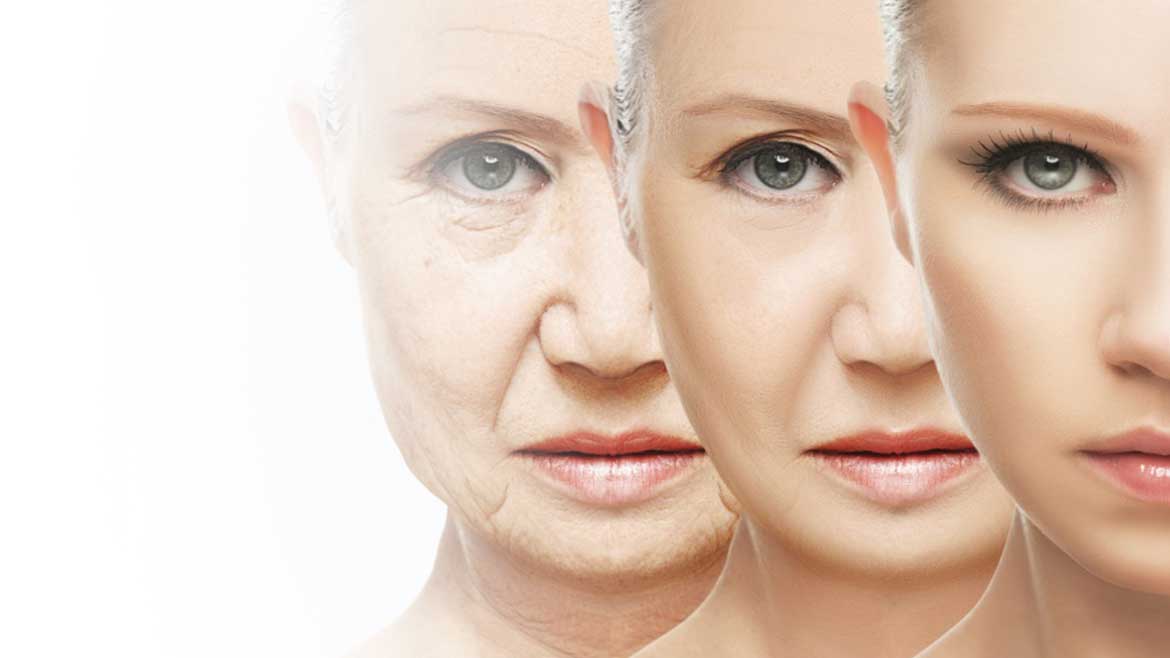
Feeling comfortable with your appearance can influence how you carry yourself, but confidence comes from many parts of life. Cosmetic or reconstructive plastic surgery may help some people feel more comfortable with a particular physical feature, yet it should never be presented as a guaranteed solution for low self-esteem. The best outcomes usually begin with clear goals, realistic expectations, good physical health, and an informed discussion with a qualified plastic surgeon.
Breast surgery is an important area of both cosmetic and reconstructive care. Some women consider breast augmentation because they want more volume, improved symmetry, or changes after pregnancy, weight loss, or ageing. Others need breast reconstruction after mastectomy, trauma, or another medical condition. Modern treatment is increasingly personalised, with surgeons considering body proportions, skin quality, existing breast tissue, lifestyle, medical history, and the patient’s preferred appearance rather than applying a single standard of beauty.
Breast Augmentation Is More Personalised Than Ever
Breast augmentation can involve implants, fat transfer, or a combination of techniques. The right approach depends on the amount of change a patient wants, their anatomy, available donor fat, previous surgery, and the surgeon’s clinical judgment. Implants can create a more noticeable change in size and shape, while fat transfer may suit patients seeking a more modest increase or contour refinement. Some surgeons also combine fat grafting with implants to soften transitions and refine shape.
A consultation should cover much more than cup size. Implant dimensions, projection, placement, tissue coverage, chest width, skin elasticity, and overall proportions can all affect the result. A breast lift may also be discussed when sagging or nipple position is a major concern, because increasing volume alone does not necessarily correct significant droop.
The goal should be a result that suits the individual. Current aesthetic preferences often favour proportion and balance, but personal preference remains central.
Understanding Incision and Scar Options
Every surgical breast augmentation involving implants requires an incision, and every incision creates a scar. The aim is not to promise “no scarring,” but to select an approach that provides safe access while placing the scar in a location that can heal as discreetly as possible.
Common incision locations include the fold beneath the breast, around part of the areola, and the armpit. The underarm approach, also called transaxillary breast augmentation, may appeal to patients who want to avoid a scar directly on the breast. In Thailand, this approach may be referred to as เสริมหน้าอกใต้รักแร้. However, it is not automatically the best option for everyone. Implant type, anatomy, previous procedures, and surgeon experience all influence which incision is appropriate.
Scar quality varies between individuals. Genetics, skin type, nicotine exposure, wound healing, infection, sun exposure, and aftercare can all affect scar appearance. A responsible surgeon should explain likely scar placement and healing rather than guarantee that scars will become invisible.
Safety Matters More Than Perfection
Plastic surgery is still surgery. Breast augmentation can involve risks such as bleeding, infection, changes in nipple or breast sensation, capsular contracture, implant malposition, rupture or deflation, pain, scarring, asymmetry, and the possibility of additional surgery.
Breast implants are not lifetime devices. Some patients may eventually require imaging, revision surgery, replacement, or removal. Patients considering implants should receive clear information about the specific device, known risks, and recommended follow-up. In the United States, breast implant labeling includes a patient decision checklist to support informed discussions between patients and surgeons.
Patients should also ask about less common but important implant-related concerns. Risk can differ according to implant characteristics and individual circumstances, so implant selection should be based on current regulatory information and clinical assessment rather than marketing claims.
Choosing the Right Plastic Surgeon
The surgeon you choose can strongly influence both safety and satisfaction. Look for a doctor with recognised specialist training in plastic surgery, appropriate board certification or equivalent credentials in the country where the procedure will be performed, and experience with the specific operation you are considering.
The facility matters too. Surgery should take place in an appropriately accredited or licensed setting with suitable anaesthesia standards, infection-control procedures, trained staff, and emergency protocols.
A trustworthy surgeon should review your medical history, medications, nicotine use, previous operations, pregnancy plans, breast screening history, and goals. They should also explain alternatives, limitations, recovery, possible complications, and what would happen if revision surgery became necessary.
Before-and-after photographs can help you understand a surgeon’s work, especially when they show patients with anatomy similar to yours, but they are examples rather than promises.
Breast Reconstruction Is About More Than Appearance
Breast reconstruction after mastectomy can be an important part of recovery for some patients, but there is no single correct choice. Some women choose immediate reconstruction, others delay it, and some decide not to have reconstruction. Options can include implants, tissue from another part of the body, fat grafting, or combinations of techniques.
The process may involve several stages. Treatment plans can also be influenced by cancer care, radiation therapy, previous surgery, overall health, and personal preferences, so decisions should be coordinated with the relevant medical and reconstructive teams.
This desire for a natural appearance is also true for women who undergo breast reconstruction after a mastectomy. The process often happens in stages to get the best possible outcome. While the initial surgery builds the breast mound, the final stage focuses on the details that make the breast look complete. Many women choose to undergo nipple reconstruction Phoenix to recreate the natural look of the breast. This minor procedure helps restore self-confidence and provides a sense of closure after a long medical journey.
Nipple and areola reconstruction is only one option. Depending on previous surgery and personal preference, alternatives may include medical tattooing, three-dimensional tattoo techniques, prosthetic nipples, or choosing not to recreate the nipple-areola complex.
What to Discuss Before Breast Surgery
A good consultation should leave you with enough information to decide without feeling rushed. Discuss the surgeon’s qualifications, procedure-specific experience, recommended technique, implant or fat-transfer options, incision location, recovery, scar care, long-term monitoring, total costs, revision policies, and warning signs that should prompt medical attention.
It is equally important to explain the result you hope to achieve. Reference photographs may help communicate preferences, but the surgeon should explain what is realistic for your anatomy. A responsible surgeon may recommend a different procedure, suggest delaying surgery, or advise against an operation when the risks outweigh the likely benefits.
Recovery Is Part of the Result
Recovery instructions can affect comfort, healing, scar quality, and complication risk. Patients may be advised to limit strenuous activity, wear a supportive garment, care for incisions, attend follow-up appointments, and avoid smoking or nicotine.
Swelling and changes in breast shape are common during early recovery, so the final appearance may take time to settle. Contact the surgical team promptly if you develop concerning symptoms such as worsening redness, fever, unusual drainage, sudden swelling, severe pain, shortness of breath, or another symptom your surgeon identifies as urgent.
Patients with implants should also keep their device information, follow recommended monitoring, and continue routine breast-health screening appropriate for their age and medical history. FDA guidance specifically encourages patients to retain information about their implant and understand recommended follow-up.
Plastic Surgery and Self-Confidence
A successful cosmetic procedure may improve satisfaction with a specific feature, but healthy decision-making starts with understanding why you want surgery. The decision should be yours, not the result of pressure from a partner, social media, trends, or unrealistic comparisons.
If appearance concerns are causing significant distress or affecting daily life, discussing them with an appropriate healthcare professional can be valuable before committing to surgery. A good plastic surgeon should consider whether your goals and expectations are realistic.
Make an Informed Decision
The right plastic surgery is not about chasing perfection. It is about choosing a medically appropriate procedure for the right reasons, understanding the benefits and risks, and working with a qualified professional who prioritises patient safety.
Whether you are considering breast augmentation, a scar-conscious incision approach, fat transfer, or breast reconstruction after mastectomy, take time to research your choices. Verify the surgeon’s credentials, ask detailed questions, understand recovery, and consider the long-term responsibilities that may come with implants or reconstructive procedures.
When expectations are realistic and decisions are based on reliable medical information rather than promises, plastic surgery can be approached with greater confidence, clarity, and control.