Life: Meaning, Struggle, and the Quiet Art of Living Well

Life is not a straight road with clear signboards. It is a collection of moments—some loud, some silent—that slowly shape who we become. At its core, life is about experiencing, learning, adapting, and finding meaning, even when the answers are unclear.
From joy and ambition to loss and uncertainty, life moves in cycles. Understanding it isn’t about controlling every outcome but about learning how to move with it.
What Is Life, Really?
Life can be defined biologically, philosophically, emotionally, or spiritually. But for most people, life is personal. It is how you interpret your experiences, not just the experiences themselves.
At different stages, life may feel like:
-
A race to succeed
-
A search for identity
-
A test of resilience
-
A quiet desire for peace
None of these meanings are wrong. They simply reflect where you are right now.
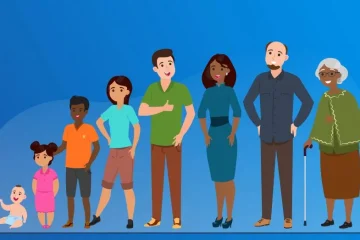
The Stages of Life and How They Shape Us
Life evolves through phases, each with its own lessons.
Childhood: Curiosity and Foundations
This stage is about learning without fear. Curiosity dominates, and beliefs are formed based on environment and guidance.
Youth: Growth and Identity
Youth is often marked by ambition, confusion, and comparison. It’s when people ask:
-
Who am I?
-
What do I want from life?
Mistakes here are not failures—they are data.
Adulthood: Responsibility and Reality
Adulthood brings structure and pressure. Careers, relationships, and obligations take center stage. Life becomes less about dreaming and more about sustaining.
Later Years: Reflection and Meaning
With time comes perspective. Many realize that peace matters more than achievement, and presence matters more than possessions.
The Purpose of Life: Is There One?
There is no universal purpose that fits everyone. For some, life’s purpose is:
-
Connection with others
-
Creation, through work or art
-
Contribution, by helping or teaching
-
Inner peace, through simplicity
Purpose is not found once—it evolves as you do.
Life’s Challenges and Why They Matter
Struggle is not a flaw in life; it is a feature.
Challenges teach:
-
Resilience when plans fail
-
Empathy through shared pain
-
Clarity about what truly matters
Avoiding hardship may feel comfortable, but it often limits growth. The most meaningful lives are not the easiest ones—they are the most honest.
Small Things That Make Life Meaningful
Life is rarely transformed by big moments alone. Meaning often hides in ordinary details.
Simple but powerful contributors to a fulfilling life include:
-
Deep conversations
-
Meaningful work, not just busy work
-
Time spent in nature
-
Moments of stillness
-
Genuine relationships
Happiness is less about constant excitement and more about alignment with your values.
Living Well in an Uncertain World
Life does not promise certainty. Plans fail, people change, and time moves faster than expected. Living well means:
-
Accepting uncertainty without paralysis
-
Making choices aligned with who you are now
-
Letting go of what no longer fits
A good life is not perfect. It is intentional.
Final Thoughts on Life
Life is not something to be solved. It is something to be lived, adjusted to, and sometimes endured. Meaning is not handed to us—it is built through daily choices, reflections, and relationships.
In the end, life is less about having everything and more about understanding what is enough.
Frequently Asked Questions (FAQ)
What is the true meaning of life?
The meaning of life is subjective and personal. It often changes over time based on experiences, values, and priorities.
Is life about happiness or purpose?
Life is usually a balance of both. Happiness brings joy, while purpose provides direction and long-term fulfillment.
Why does life involve so much struggle?
Struggle promotes growth, resilience, and self-awareness. Without challenges, personal development is limited.
Can life be meaningful without success?
Yes. Meaning often comes from relationships, contribution, and inner peace rather than external achievements.
How can someone feel fulfilled in everyday life?
By focusing on small joys, maintaining meaningful connections, and living in alignment with personal values.
Does everyone go through the same life stages?
The stages are similar, but the experiences within them vary greatly based on culture, choices, and circumstances.
How can one live a better life starting today?
Start by being intentional—prioritize what matters, let go of unnecessary pressure, and be present in daily moments.