Medicine Interactions You Should Know About
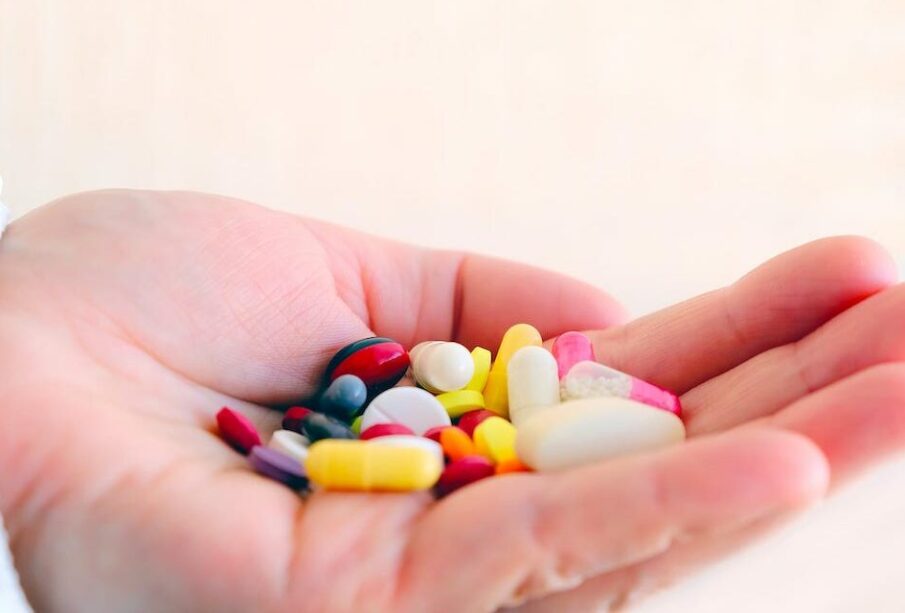
Medicines are designed to help the body heal, manage symptoms, or prevent disease. However, when certain drugs are taken together—or combined with specific foods, supplements, or alcohol—they can interact in ways that reduce effectiveness or cause serious side effects. Understanding medicine interactions is essential for safe and effective treatment, whether you are using prescription drugs, over-the-counter remedies, or herbal products.
What Are Medicine Interactions?
A medicine interaction occurs when one substance affects how another medicine works in the body. These interactions can change how quickly a drug is absorbed, how strongly it acts, or how long it stays active. In some cases, interactions may be mild, but others can be dangerous or even life-threatening.
Common Types of Medicine Interactions
Drug-to-Drug Interactions
This happens when two or more medications influence each other’s effects. Some combinations increase the risk of side effects, while others reduce the intended benefit.
Examples include:
-
Combining blood thinners with certain pain relievers, increasing bleeding risk
-
Taking multiple sedatives, which may cause extreme drowsiness or slowed breathing
Drug-to-Food Interactions
Certain foods can alter how medicines are absorbed or metabolized.
Common examples:
-
Grapefruit interfering with cholesterol and blood pressure medications
-
Dairy products reducing the absorption of some antibiotics
Drug-to-Supplement Interactions
Herbal supplements and vitamins are often perceived as harmless, but they can significantly interact with medications.
Notable cases:
-
St. John’s wort reducing the effectiveness of antidepressants and birth control
-
High doses of vitamin K interfering with blood-thinning medications
Drug-to-Alcohol Interactions
Alcohol can intensify side effects or reduce how well a medicine works.
Potential risks include:
-
Increased liver damage when mixed with pain relievers
-
Severe drowsiness when combined with anxiety or sleep medications
High-Risk Medications That Commonly Interact
Some medicines are more prone to interactions due to how they work in the body.
These include:
-
Blood thinners
-
Antidepressants
-
Heart and blood pressure medications
-
Anti-seizure drugs
-
Certain antibiotics
If you are prescribed any of these, extra caution is required when adding new medications or supplements.
Symptoms That May Signal a Dangerous Interaction
Medicine interactions don’t always cause immediate symptoms, making them easy to miss. However, warning signs can include:
-
Unusual fatigue or dizziness
-
Nausea, vomiting, or diarrhea
-
Sudden changes in heart rate or blood pressure
-
Confusion or difficulty concentrating
-
Unexpected bleeding or bruising
If any of these appear after starting a new medication, seek medical advice promptly.
How to Reduce the Risk of Medicine Interactions
Being proactive can significantly lower your risk.
Best practices include:
-
Keep an up-to-date list of all medications and supplements
-
Inform your doctor and pharmacist about everything you take
-
Read medication labels and instructions carefully
-
Avoid self-medicating without professional guidance
-
Ask before mixing prescription drugs with over-the-counter products
Why Professional Guidance Matters
Healthcare providers are trained to recognize and prevent harmful interactions. Pharmacists, in particular, play a critical role in reviewing prescriptions and identifying potential conflicts before medicines are dispensed. Relying on professional advice is far safer than guessing or relying on incomplete online information.
Frequently Asked Questions (FAQ)
Can over-the-counter medicines cause serious interactions?
Yes. Many over-the-counter drugs can interact with prescription medications, especially pain relievers, cold medicines, and antacids.
Are herbal remedies safer than prescription drugs?
Not necessarily. Herbal products can be powerful and may interfere with prescription medicines just as strongly as other drugs.
How long does a medicine interaction last?
It depends on the drugs involved. Some interactions resolve quickly, while others may persist for days or weeks after stopping a medication.
Should I stop a medication if I suspect an interaction?
No. Do not stop any medication without consulting a healthcare professional, as stopping suddenly can be dangerous.
Can food timing reduce interaction risks?
In some cases, yes. Taking medicines with or without food as instructed can help minimize interactions and improve absorption.
Are medicine interactions more dangerous for older adults?
Older adults are at higher risk due to multiple medications and age-related changes in metabolism.
How can I check for interactions before starting a new medicine?
Consult your doctor or pharmacist before starting anything new, including supplements and non-prescription drugs.